
Fortra DSPM

DSPM for the age of AI: Discover, classify, and protect data
from endpoint to cloud

Get a Demo

Available in AWS Marketplace

Map and Secure Your Entire Data Landscape

With employees creating, handling, and sharing more data than ever before, the risk of lost or compromised sensitive data is only growing. Opportunistic attackers, unsecured shadow IT, and human error can all contribute to potentially costly and damaging data loss. But organizations can’t secure the sensitive information they can’t see.

Fortra Data Security Posture Management (DSPM) discovers sensitive data across cloud, on-premises, and hybrid environments; classifies it based on sensitivity, risk, and context; and protects it with precision by enforcing controls and limiting unnecessary access.


75% of organizations

experienced a SaaS-related breach in the past 12 months

- ITPro Survey


87% of enterprises

find their current data discovery and classification solutions lacking

- Cybersecurity Insiders

Why Organizations Turn to Fortra

Image
2026 GigaOm Radar for Data Security Posture Management (DSPM)

Fortra delivers smarter, more scalable DSPM.

Download the latest GigaOm Radar report to explore key market trends, evaluation criteria, and how Fortra DSPM is helping security teams gain visibility into sensitive data across cloud and hybrid environments

READ THE REPORT

Fortra DSPM delivers deeper visibility that creates the foundation for smarter, more informed security decisions and faster incident response.

Leveraging our enterprise-grade AI classifiers, our solution was found to be over 95% accurate in testing, maximizing data discovery precision and consistency while minimizing false positives.

Image
Robot AI Graphic
Image
Data Risk Assessment, powered by DSPM.

Secure your cloud data landscape with a 30-day Data Risk Assessment, powered by DSPM.


Get Started

How Fortra DSPM Works

Discover

Shine a light on all your data, especially data in the shadows.

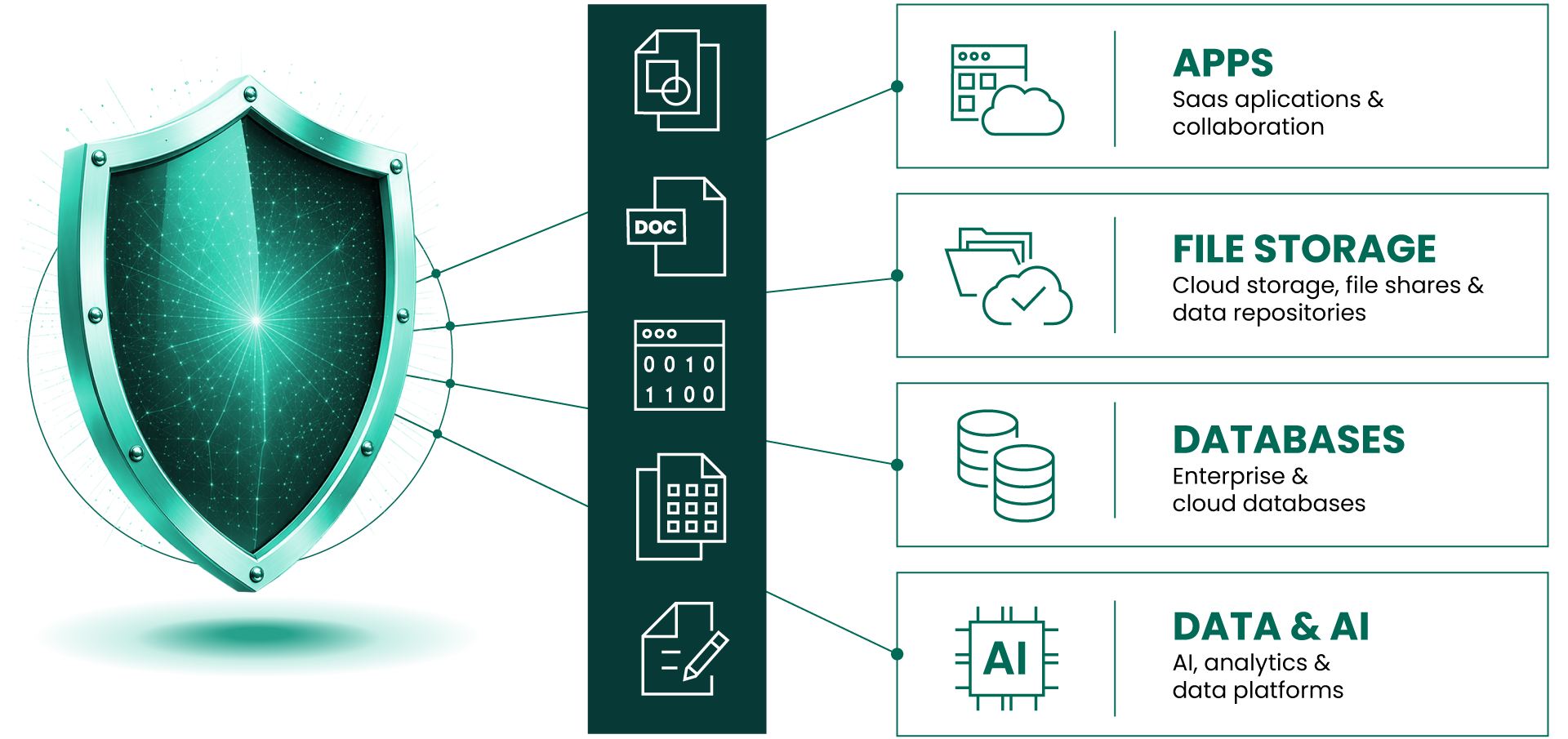
Data lives across cloud services, SaaS applications, on-network file shares, databases, and more — and much of that data is often invisible to security teams. 

You can’t secure what you can’t see, so Discovery is the foundation for every data security decision. Fortra DSPM helps organizations discover, classify, and protect sensitive data across cloud, on- premises, and hybrid environments. 

Along with identifying misconfigurations and over-provisioned access, DSPM helps you easily pinpoint your data’s sensitivity, risk profile, and context to better inform policy enforcement and remediation actions.
Image
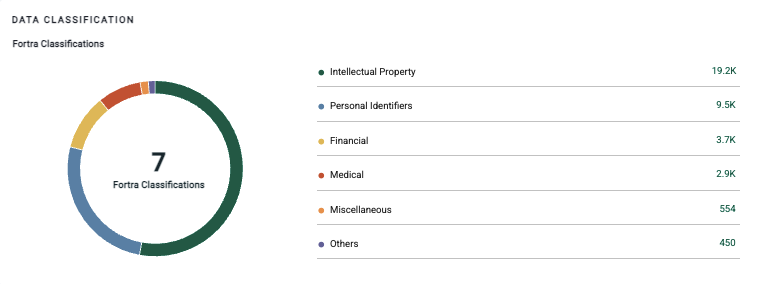
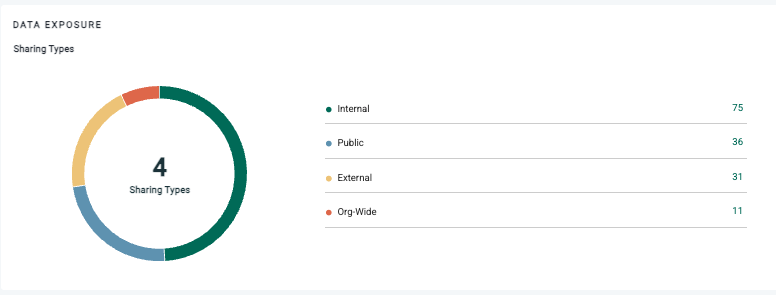
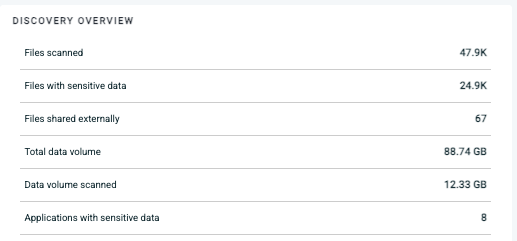
DSPM Platform Discovery
Image
DSPM Platform Discovery
Image
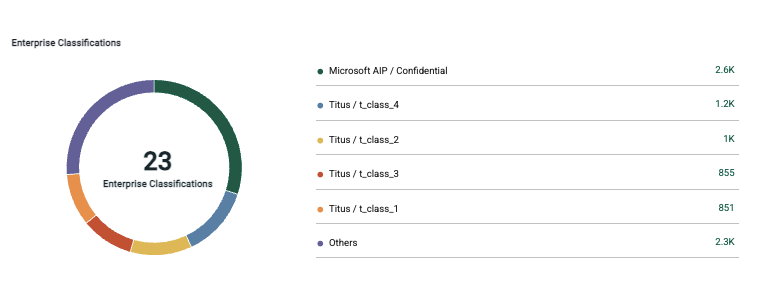
Fortra DSPM - Classify
Image
Fortra DSPM - Classify

Classify

Separate the jewels from the clutter.

Not all data is created equal. Our classification goes beyond labels, automatically identifying what’s sensitive, regulated, or business- critical, and understanding its context. This lets you prioritize risks, meet compliance requirements, and avoid wasting time on low-value data.

Classification also directs downstream tools such as DLP.

Protect

Guard what matters, wherever it goes, from endpoint to cloud.

Once you know what sensitive data you have and where it lives, DSPM allows you to protect it with precision. 

After our solution discovers and classifies sensitive data, it can then use context to apply the proper remediation and policy enforcement actions, preventing breaches and attacks. 

By integrating with other security tools, Fortra DSPM enables comprehensive data security across your entire environment and reduces friction for security teams — all without disrupting users’ workflows.
Image
Protect

The Benefits of DSPM Tools

Improved Visibility Across Data Ecosystems

DSPM tools help organizations map where sensitive data lives—whether on-prem, in the cloud, or in SaaS apps—giving full visibility into data movement, storage, and usage. This enables better decision-making and faster incident response.

Risk-Based Prioritization

Instead of treating all data equally, Fortra’s DSPM platform allows teams to prioritize based on sensitivity, exposure, and business impact. This helps reduce alert fatigue and ensures that the most critical data is protected first.

Proactive Risk Mitigation

By continuously assessing data security posture, DSPM solutions can identify misconfigurations, shadow data, and excessive access rights before they’re exploited—enabling teams to fix issues before they become breaches.

Reduced Time and Cost of Incident Response

With streamlined workflows and pre-built integrations, DSPM cuts down the time to investigate and remediate data risks, helping security teams act swiftly while saving operational costs.

Take a Quick Self-Guided Product Tour


Explore Fortra DSPM

Want to see more? Walk through our other self-guided tours to learn how to assess data risk, discover data containers, protect your sensitive data, and more.

TAKE A TOUR

Ready to Get Started?

Request a demo of Fortra DSPM and connect with our experts to discuss your business needs. 

GET A DEMO

FAQs About DSPM

Data security posture management (DSPM) helps organizations discover, classify, and protect sensitive data across all environments. DSPM tools continuously scan cloud platforms, SaaS applications, and on-premises systems to map sensitive information and how it is accessed. By creating a real-time data inventory, DSPM platforms enable security teams to assess their data security posture and reduce risk. 

Data security posture management tools solve the challenge of visibility in modern data environments. As organizations store data across cloud services, collaboration platforms, and internal systems, it becomes difficult to track sensitive information and access rights. DSPM solutions identify shadow data, excessive permissions, misconfigurations, and compliance risks. By mapping and analyzing data, DSPM tools help security teams reduce exposure and strengthen data protection. 

DSPM vendors use automated scanning and data discovery techniques to locate sensitive data across distributed systems. DSPM platforms connect to cloud services, SaaS applications, file repositories, and databases to analyze files and metadata. Advanced classification engines detect regulated or business-critical information, such as personal data, financial records, or intellectual property. 

This process builds a comprehensive data inventory and maintains detection across complex environments. Many teams pair DSPM with data classification solutions to label sensitive data consistently and enforce policies across systems.

DSPM solutions identify data risks by combining classification with contextual analysis. After discovering sensitive data, the platform evaluates access permissions, sharing activity, storage location, and exposure to external users. By analyzing these factors, DSPM tools highlight high-risk scenarios, such as publicly accessible files or sensitive data in unsecured locations. This prioritization helps security teams address the most critical issues first. 

When evaluating a DSPM platform, organizations should look for capabilities that provide visibility, risk assessment, and automated protection. Key features include automated data discovery, accurate classification, risk scoring, and integration with existing security tools. Many DSPM solutions also work with data loss prevention (DLP) systems and data protection software to enforce policies once sensitive data is identified. A good DSPM platform should scale across cloud data protection platforms, SaaS, and on-premises environments while providing actionable insights. 

DSPM and DLP address different stages of the data security lifecycle. DSPM focuses on identifying where sensitive data resides, how it is accessed, and potential risks. DLP enforces policies to prevent sensitive data from leaving the organization or being shared improperly. Many organizations use DSPM with DLP: DSPM identifies and prioritizes risks, while DLP controls data use and transfer. 

Text


Learn More