Blog

Blog

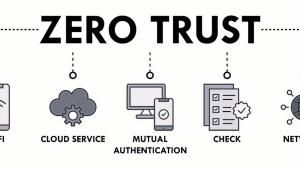
How Data Protection Applies to Zero Trust

Protecting data in the context of zero trust means moving beyond perimeter-based defenses to a model where no user, device, or application is inherently trustworthy. As a result, every access request is verified, continuously monitored, and limited to the minimum necessary permissions needed to perform a job function. This approach reduces the risk of insider threats, compromised credentials, and...
Blog

When Digital and Physical Threats Intertwined: The Need for Executive Protection

Executives face growing risks from both digital and physical threats, with online exposure often leading to real-world dangers like harassment or security breaches. Traditional physical security alone is no longer sufficient — organizations must integrate digital executive protection, including threat monitoring, data exposure mitigation, and coordinated response across teams.
Blog

What Is Tactical Threat Intelligence?

Of the three forms of threat intelligence (strategic, operational, and tactical), tactical threat intelligence is the most directly actionable. Tactical threat intelligence also enables defenders to engage in threat hunting or root cause analysis activities when examining historical (attempted) intrusions. This is useful in detecting breaches that may have occurred, understanding the cause of a previous breach, and understanding whether a particular adversary or TTP is being attempted against your organization.
Blog

Top Fraudulent Activity Targeting Retail on the Dark Web

Threat actors exploit the dark web to trade stolen data and illicit goods anonymously, often without the victim organization’s awareness. Malicious activity takes many forms across underground channels, but the technical barriers to accessing the dark web limit visibility — making it challenging to identify which assets may be exposed.If sensitive information is undetected on the dark web,...