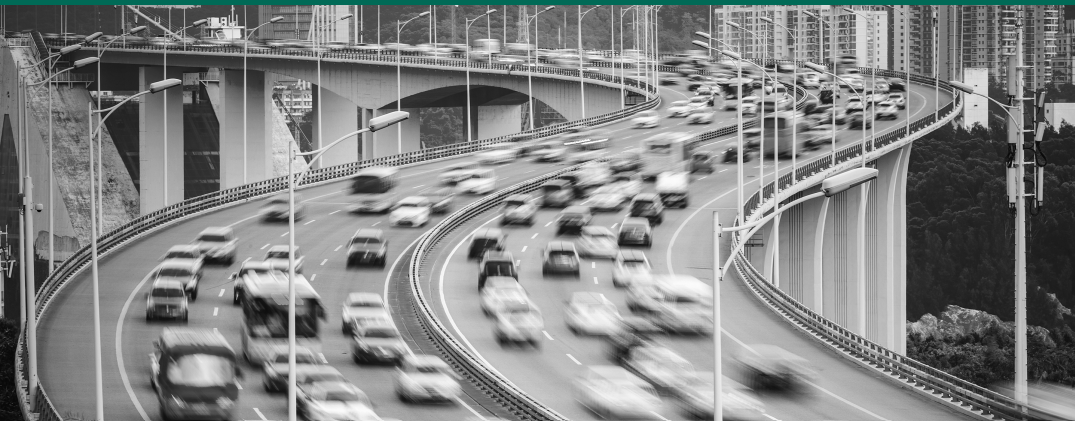
While cars remain marvels of mechanical engineering, today’s innovation in the automotive world is increasingly driven by technology. From IoT-enabled features that enhance the driving experience to autonomous vehicles poised to reshape transportation, modern cars are essentially computers on wheels. But with this digital transformation comes a familiar challenge: cybersecurity.
As vehicles become more connected, the attack surface expands, bringing with it the same vulnerabilities that plague traditional IT environments. Protecting passengers now means securing not just the physical vehicle, but the software that powers it.
To meet this challenge, the automotive industry is turning to fuzz testing — a powerful technique that goes beyond conventional security methods. In this guide, we’ll explore the unique cybersecurity risks facing connected vehicles and explain why fuzz testing is emerging as a critical tool in the race to secure the future of mobility.