
Implementation Timeline
Preparation
(1-2 Months)
Getting Started:
- Platform Preparation: Ready your platform for training delivery by customizing colors, images, and text to your organization’s branding.
- Setting Goals and Objectives: Define what you want to achieve and the capacity in which to achieve these goals.
- Establish Baseline: Use phishing simulations, quizzes and surveys to determine your starting point and help determine priorities.
- Curriculum Development: Craft a training curriculum tailored to your goals, objectives, audience, and capacity.
- Communication Strategy: Develop and prepare communications strategies for stakeholder engagement before, during and after your awareness activities.
- Executive Approval: Present your program plan for executive approval.
Implementation
(Up to 18 Months)
Program Rollout:
- Training Delivery: Conduct the core training sessions and any reinforcement activities.
- New Hire Strategy: Determine training requirements for new hires that start after program launch.
- Simulations and Drills: Implement frequent phishing simulations and quizzes to enhance learning.
- Regular Updates: Use announcements and reminders to keep the program top of mind.
- Adaptive Training Modules: Depending on the quarterly goals, training might include:
- Q1: Security Awareness Basics
- Q2: Emerging Cyber Threats
- Q3: Data Privacy
- Q4: Security Principles for Remote Workers
Review & Enhancement
(2-4 Weeks)
Program Analysis and Adjustment:
- Collect Data: Collect data from previous activities such as activity participation, simulation results and audience feedback.
- Realign Priorities: Adjust program priorities based on new priorities, evolving cyber threats, feedback and campaign outcomes.
- Goal Definition: Refine goals for the next cycle.
- Curriculum Update: Update training materials and methods as needed for ongoing relevance and effectiveness.
Getting Started

Training Topics & Formats
BLOG
How Often Should Employees Receive Security Awareness Training?
BLOG
Tailoring Security Training: A Guide to Formats, Sizes, and Schedules
BLOG
Why Strategic Goals are Important in Security Awareness Programs

Gamification & Engagement
BLOG
Getting Safe Cybersecurity Habits to Stick with Gamification and Positive Reinforcement
Measuring Success
BLOG
How to Measure the Success of Your Security Awareness Program
This blog overviews the key metrics and data points that should be measured and how.
BLOG
How to Avoid Phishing Simulation False Positives
The blog explains what bot clicks are, how to avoid false positives in phishing simulations, and how to ensure your data fairly reflects employee performance.
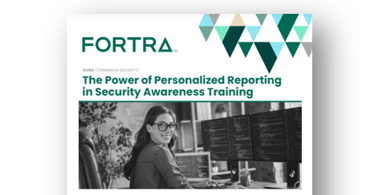
Discover the power of personalized reporting
Learn about data-driven insights, how they improve security awareness training decision-making, and how they bolster your ROI.
Important Dates
Special dates in cybersecurity aimed at raising security awareness for individuals and organizations.
Regulations
Law 25
Read the blog: Everything You Need to Know to Ensure Compliance >
California Privacy Rights Act (CPRA)
Read the blog: The CPRA and How it Affects Your Business >


Achieve Your Cyber Security Goals with Fortra
Our security awareness training solution offers customizable courses, quizzes, game-style activities, and communication tools that are perfect for any industry, organization size, and security awareness budget.