Blog

Blog

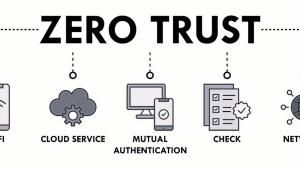
How Data Protection Applies to Zero Trust

Protecting data in the context of zero trust means moving beyond perimeter-based defenses to a model where no user, device, or application is inherently trustworthy. As a result, every access request is verified, continuously monitored, and limited to the minimum necessary permissions needed to perform a job function. This approach reduces the risk of insider threats, compromised credentials, and...

Blog

Cyberattack Anatomy: Banking Smish

Understanding how cyberattacks unfold is key to stopping them. In this blog, Fortra’s threat researchers break down the anatomy of a recent smishing campaign, revealing the tactics, techniques, and infrastructure behind the attack. The Smishing Attack The smishing text contains a banking alert about a transaction being put on hold and urges the reader...
Blog

11 Types of Emails Employees Report to Security Teams

You receive an email, you are unfamiliar with the sender's name or email address, and they are offering you a new service or deal on something. Is it malicious? Not necessarily. Perhaps you forgot about signing up for a newsletter a while back.Malicious vs. BenignAccording to Symantec, 5.5% of business emails are classified as spam. With the average business account receiving around 104 emails per...