Blog

Blog

Understanding AWS Data Security Risks

In today’s cloud-first world, Amazon Web Services (AWS) is a cornerstone of digital transformation, supporting everyone from fast-moving startups to global enterprises. Its flexibility and scale allow organizations to store, process, and analyze enormous volumes of data in minutes, accelerating innovation at a pace that was once unimaginable. But that level of capability also raises the stakes:...
Blog

Data Classification: Enabling Compliance with GDPR, HIPAA, PCI DSS, SOX, & More

Learn how Fortra's Data Classification Suite can facilitate compliance with GDPR, HIPAA, PCI DSS, SOX, and other prominent data privacy regulations.
Blog

What Is a Health Information System?

Learn what a health information system (HIS) is and how they're key to managing healthcare data, along with HIS benefits, best practices, and more.
Blog

6 Areas Turning Cyber Compliance from Checkboxes to Proof

A new year often brings a wave of updated cybersecurity compliance requirements. In 2026, regulators are raising the bar. “Check-the-box” compliance that may once have been sufficient to pass audits is no longer enough. Today’s mandates increasingly demand evidence: proof that controls are operating as designed, faster incident reporting, and broader disclosure obligations across vendors, systems,...
Blog

Human Error Meets Data Exposure: The Breach Vector No One Talks About

Human error now plays a role in 95 percent of data breaches, making it more critical than ever for security teams to treat it as the substantial threat it is. In some cases, employees intentionally expose sensitive data for personal gain. But the most pervasive insider threats aren’t malicious — they’re accidental. This challenges the notion that an organization can become invulnerable if only it...
Blog

What Is HIPAA Compliance?

Learn about the Health Insurance Portability and Accountability Act (HIPAA) and the requirements for HIPAA compliance in Data Protection 101, our series on the fundamentals of information security.
Blog

What Is ESI Data? Understanding Electronically Stored Information

Electronically Stored Information (ESI) refers to any data created, modified, communicated, or stored in digital form. This includes emails, documents, databases, instant messages, audio and video files, social media content, and more—essentially any information that resides in electronic systems. As digital communication and data storage have become the norm, ESI plays a pivotal role in legal...
Blog

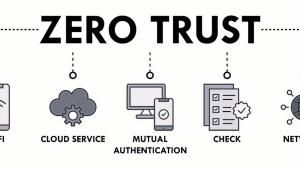
How Data Protection Applies to Zero Trust

Protecting data in the context of zero trust means moving beyond perimeter-based defenses to a model where no user, device, or application is inherently trustworthy. As a result, every access request is verified, continuously monitored, and limited to the minimum necessary permissions needed to perform a job function. This approach reduces the risk of insider threats, compromised credentials, and...
Blog

Preparing for a CMMC Audit: A Practical Guide for Success

Discover what a CMMC audit involves, how it ensures compliance for defense contractors, and how it differs from other cybersecurity audits.
Blog

Cybersecurity Regulatory Landscape in Japan: A Primer for Business

Cybersecurity in Japan has always had a cultural element, infused with precision, preparation, responsibility, and accountability. Today, it’s also a matter of national security and global trust. As threats intensify and alliances shift, Japan has responded with structured policy and determination. For companies operating in or with ties to Japan, cybersecurity compliance is part of the operating...
Blog

Understanding the NIS2 Directive: What It Means for Business

What is the NIS2 Directive?The NIS2 (Network and Information Security 2) Directive is the European Union’s updated, overarching cybersecurity legislation governing cybersecurity in 18 critical sectors.NIS2 requires each EU Member State to adopt a national cybersecurity strategy, ensure the proper critical entities comply, and include risk management measures such as:Supply chain...
Blog

Back to Basics: Why Checkbox Compliance Isn’t Enough

Compliance doesn’t protect you. It simply outlines the defenses that should have been in place. And when you’re not compliant, the gap often only comes to light after something’s gone wrong. In today’s evolving threat landscape, passing an audit isn’t enough. Security leaders need continuous visibility, actionable insights, and real-world accountability, long before an auditor ever shows up. It’s...
Blog

Cybersecurity Regulatory Landscape in Singapore: A Primer for Businesses

The world is more connected than ever, and laws cannot afford to lag behind threats. With this in mind, Singapore has built a legal and organizational backbone for cybersecurity that requires precision and constant readiness. Every company in the city-state (and even those beyond its borders handling the personal data of its people) must meet these strict rules or face the consequences. Core...
Blog

What Is Data Erasure? Secure Deletion Explained

Data erasure, or data wiping, is a software method that securely overwrites and destroys all electronic data on a disk drive or digital media.