Blog

Blog

Data Classification: Enabling Compliance with GDPR, HIPAA, PCI DSS, SOX, & More

Learn how Fortra's Data Classification Suite can facilitate compliance with GDPR, HIPAA, PCI DSS, SOX, and other prominent data privacy regulations.
Blog

PII Data Classification: 4 Best Practices

Getting personally identifiable information (PII) classification right is one of the first steps to having an effective data protection strategy. We break down four best practices in this blog.
Blog

What Is a Health Information System?

Learn what a health information system (HIS) is and how they're key to managing healthcare data, along with HIS benefits, best practices, and more.
Blog

6 Areas Turning Cyber Compliance from Checkboxes to Proof

A new year often brings a wave of updated cybersecurity compliance requirements. In 2026, regulators are raising the bar. “Check-the-box” compliance that may once have been sufficient to pass audits is no longer enough. Today’s mandates increasingly demand evidence: proof that controls are operating as designed, faster incident reporting, and broader disclosure obligations across vendors, systems,...
Blog

What is Data Security Posture Management (DSPM)?

Cyber attacks are on the rise. In 2023, a PWC survey revealed an almost 10% increase in data breaches that resulted in over $1 million in damages. Threat actors are constantly adapting their techniques to stay one step ahead, and organizations need all the help they can get to protect their infrastructure from the threat of intrusion.Data security posture management (DSPM) is an essential tool in...
Blog

Automated Data Classification: What It Is and How It Works

Automated data classification uses technology and algorithms to categorize and sort data automatically based on predefined criteria. The technology scans various data sets and accurately labels them according to their sensitivity and importance.This is a significant improvement over manual classification, as it is more efficient, less time-consuming,...
Blog

Data Categorization or Data Classification?

In the last few years, there has been a dramatic shift from data classification being a “nice to have” tool, to becoming a necessity.Behind this momentum, private companies and organizations are implementing data classification using “traditional” taxonomies and schemas that work for governments and militaries but don’t necessarily translate well into...
Blog

The Importance of Automation in Data Classification

It’s no surprise to anyone that the amount of data that exists is rapidly growing. A report by IDC predicts that by 2025, the global datasphere will have grown to 175 zettabyes. To put in perspective how much data this truly is, one zettabyte is equal to one trillion gigabytes – that is an astronomical amount of data. Needless to say, humans are not...
Blog

What Is HIPAA Compliance?

Learn about the Health Insurance Portability and Accountability Act (HIPAA) and the requirements for HIPAA compliance in Data Protection 101, our series on the fundamentals of information security.
Blog

Getting Started with Data Classification

Welcome to the first in a series highlighting our latest eBook, The Definitive Guide to Data Classification. This post focuses on understanding the basics of data classification and dispels some of the myths from 1st generation classification products.Successfully protecting your enterprise’s digital data can be a tall task; what if there were a simple way to make that easier? A method that...
Blog

What Is ESI Data? Understanding Electronically Stored Information

Electronically Stored Information (ESI) refers to any data created, modified, communicated, or stored in digital form. This includes emails, documents, databases, instant messages, audio and video files, social media content, and more—essentially any information that resides in electronic systems. As digital communication and data storage have become the norm, ESI plays a pivotal role in legal...
Blog

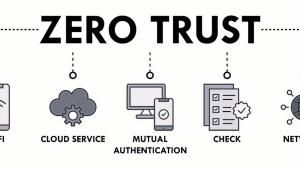
How Data Protection Applies to Zero Trust

Protecting data in the context of zero trust means moving beyond perimeter-based defenses to a model where no user, device, or application is inherently trustworthy. As a result, every access request is verified, continuously monitored, and limited to the minimum necessary permissions needed to perform a job function. This approach reduces the risk of insider threats, compromised credentials, and...
Blog

Preparing for a CMMC Audit: A Practical Guide for Success

Discover what a CMMC audit involves, how it ensures compliance for defense contractors, and how it differs from other cybersecurity audits.
Blog

Cybersecurity Regulatory Landscape in Japan: A Primer for Business

Cybersecurity in Japan has always had a cultural element, infused with precision, preparation, responsibility, and accountability. Today, it’s also a matter of national security and global trust. As threats intensify and alliances shift, Japan has responded with structured policy and determination. For companies operating in or with ties to Japan, cybersecurity compliance is part of the operating...
Blog

Understanding the NIS2 Directive: What It Means for Business

What is the NIS2 Directive?The NIS2 (Network and Information Security 2) Directive is the European Union’s updated, overarching cybersecurity legislation governing cybersecurity in 18 critical sectors.NIS2 requires each EU Member State to adopt a national cybersecurity strategy, ensure the proper critical entities comply, and include risk management measures such as:Supply chain...
Blog

Back to Basics: Why Checkbox Compliance Isn’t Enough

Compliance doesn’t protect you. It simply outlines the defenses that should have been in place. And when you’re not compliant, the gap often only comes to light after something’s gone wrong. In today’s evolving threat landscape, passing an audit isn’t enough. Security leaders need continuous visibility, actionable insights, and real-world accountability, long before an auditor ever shows up. It’s...