Blog

Blog

Data Classification: Enabling Compliance with GDPR, HIPAA, PCI DSS, SOX, & More

Learn how Fortra's Data Classification Suite can facilitate compliance with GDPR, HIPAA, PCI DSS, SOX, and other prominent data privacy regulations.
Blog

PII Data Classification: 4 Best Practices

Getting personally identifiable information (PII) classification right is one of the first steps to having an effective data protection strategy. We break down four best practices in this blog.
Blog

Human Error Meets Data Exposure: The Breach Vector No One Talks About

Human error now plays a role in 95 percent of data breaches, making it more critical than ever for security teams to treat it as the substantial threat it is. In some cases, employees intentionally expose sensitive data for personal gain. But the most pervasive insider threats aren’t malicious — they’re accidental. This challenges the notion that an organization can become invulnerable if only it...
Blog

What is Data Security Posture Management (DSPM)?

Cyber attacks are on the rise. In 2023, a PWC survey revealed an almost 10% increase in data breaches that resulted in over $1 million in damages. Threat actors are constantly adapting their techniques to stay one step ahead, and organizations need all the help they can get to protect their infrastructure from the threat of intrusion.Data security posture management (DSPM) is an essential tool in...
Blog

What are Cloud Misconfigurations?

As we use more cloud applications, it’s become harder to maintain and control our multi-cloud environments. Because of this increasing complexity, configuration errors are becoming increasingly common; Gartner says that 99% of cloud security failures will be caused by misconfiguration. To prevent breaches caused by cloud misconfigurations, organizations rely on cloud data security solutions....
Blog

Automated Data Classification: What It Is and How It Works

Automated data classification uses technology and algorithms to categorize and sort data automatically based on predefined criteria. The technology scans various data sets and accurately labels them according to their sensitivity and importance.This is a significant improvement over manual classification, as it is more efficient, less time-consuming,...
Blog

What Is ESI Data? Understanding Electronically Stored Information

Electronically Stored Information (ESI) refers to any data created, modified, communicated, or stored in digital form. This includes emails, documents, databases, instant messages, audio and video files, social media content, and more—essentially any information that resides in electronic systems. As digital communication and data storage have become the norm, ESI plays a pivotal role in legal...
Blog

How Data Protection Applies to Zero Trust

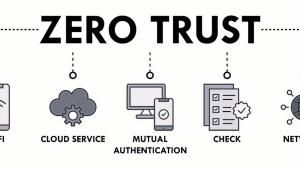
Protecting data in the context of zero trust means moving beyond perimeter-based defenses to a model where no user, device, or application is inherently trustworthy. As a result, every access request is verified, continuously monitored, and limited to the minimum necessary permissions needed to perform a job function. This approach reduces the risk of insider threats, compromised credentials, and...
Blog

Preparing for a CMMC Audit: A Practical Guide for Success

Discover what a CMMC audit involves, how it ensures compliance for defense contractors, and how it differs from other cybersecurity audits.
Blog

The MedusaLocker ransomware gang is hiring penetration testers

MedusaLocker, the ransomware-as-a-service (RaaS) group that has been active since 2019 is openly recruiting for penetration testers to help it compromise more businesses. As Security Affairs reports, MedusaLocker has posted a job advert on its dark web leak site, which pointedly invites pentesters who already have direct access to corporate networks to make contact."If you don't have access,...
Blog

What Is Data Erasure? Secure Deletion Explained

Data erasure, or data wiping, is a software method that securely overwrites and destroys all electronic data on a disk drive or digital media.
Blog

AI Data Privacy: Challenges and Solutions

AI data privacy refers to the ethical collection, storage, and usage of personal data by artificial intelligence systems.