El desafío de la colaboración interfuncional
Cada día colaboramos con compañeros de trabajo, socios y otras organizaciones externas; y hacerlo casi siempre implica compartir datos con ellos. Aunque esto pueda parecer relativamente inofensivo, en la realidad la colaboración puede suponer riesgos para la seguridad de los datos de las organizaciones, ya sea por el exceso de compartición, controles de acceso insuficientes, falta de higiene de datos o aplicación de políticas de seguridad, etc.
Aquí radica el reto: la colaboración multifuncional (y el intercambio de datos asociado que normalmente implica) es totalmente necesaria en un entorno cada vez más digital, pero también pone en mayor riesgo los datos sensibles de las organizaciones de una brecha. Las soluciones tradicionales de Gestión de Derechos de Información (IRM) como Microsoft Rights Management Services (RMS) pueden ser eficaces para combatir estos riesgos hasta cierto punto, pero su efectividad a menudo depende de que los empleados incorporen voluntariamente la tecnología en sus flujos de trabajo diarios, por no hablar de aplicar las protecciones adecuadas a los datos.
En contraste, las soluciones seguras más modernas son (en teoría) capaces de automatizar las medidas de seguridad necesarias, gestionar los controles de acceso a medida que los datos sensibles se mueven entre partes y mitigar brechas antes de que los daños puedan empeorar. En resumen, esto significa que los empleados pueden centrarse en sus tareas diarias habituales y sentirse seguros de que sus datos permanecerán protegidos incluso cuando estén en manos de un tercero.
¿Qué es la colaboración segura?
Entra en escena Fortra Secure Collaboration, una solución moderna que cifra datos sensibles, aplica controles de acceso y luego sigue los datos a medida que se comparten tanto interna como externamente. Nuestra herramienta adopta un enfoque Zero Trust más seguro y protegido para el intercambio de archivos, lo que significa que nadie es inherentemente confiable para compartir, alterar, usar o incluso ver tus datos sensibles hasta que verifique su identidad y permisos.
Más concretamente, la Colaboración Segura permite a los usuarios mantener un control granular sobre sus datos, tales como:
- Cuándo y cómo se puede acceder o visualizar un documento o contenido
- Cuánto tiempo se puede ver o acceder al documento o contenido
- Quién puede editar, guardar o modificar el contenido de cualquier otra manera
- Si un archivo puede compartirse o reenviarse a un tercero
- Qué acciones pueden realizarse o permitirse sobre el contenido, como copiar, imprimir o tomar capturas de pantalla
- ¿Cuántas veces se permiten dichas operaciones, como la impresión?
¿Qué hace única a tu organización?
Te ayudamos a proteger tu ventaja.
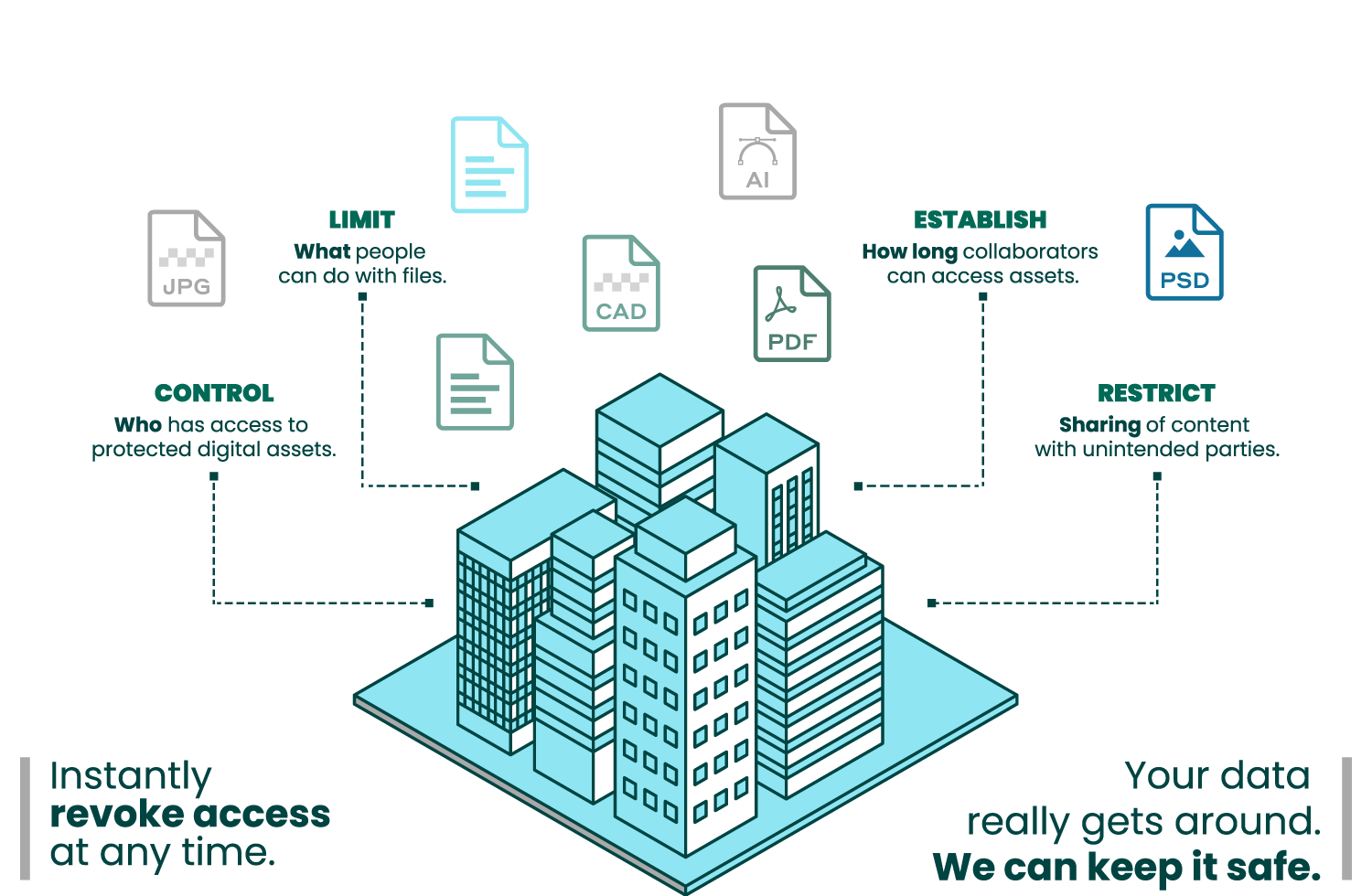
Cuando las organizaciones se preocupan por los datos que comparten, incluso con partes de confianza, a menudo se reduce a la preocupación por la integridad de su propiedad intelectual (PI). Incluso más que una herramienta de seguridad, la colaboración segura es una estrategia para proteger la propiedad intelectual de ser robada, compartida y vendida ilegalmente. La estrategia puede incluir software, marcas de agua y otras tecnologías para limitar su propagación no autorizada. Aunque la propia herramienta de colaboración segura es indudablemente la piedra angular de una estrategia de colaboración más segura, la estrategia de una organización también puede incluir otros softwares, marcas de agua y otros métodos y tecnologías para limitar su propagación no autorizada.
Sin embargo, con esto en mente, estas herramientas y medidas de seguridad no pueden hacerse a costa de las operaciones empresariales. La Colaboración Segura también ayuda a asegurar el flujo de datos dentro y fuera de sistemas de gestión documental (por ejemplo, SharePoint) y otros repositorios de datos, lo que significa que las organizaciones pueden restringir eficazmente el acceso a sus datos más sensibles mientras los empleados acceden a los datos que necesitan desde un único punto de acceso centralizado.
Límite
Establecer
Control
Restringir
Revocar
Cómo puede ayudar la colaboración segura
Las herramientas de clasificación de datos etiquetan la información para que los usuarios, tanto dentro como fuera de tu organización, comprendan su valor y la gestionen en consecuencia. La colaboración segura, combinada con la clasificación de datos, permite a los usuarios colaborar con socios externos con confianza sobre sus datos sensibles, ofreciendo tranquilidad a sus organizaciones en el proceso.
La clasificación de datos beneficia a la colaboración segura mediante:
Habilitar el cifrado automatizado basado en políticas en etiquetas de clasificación
Informar qué dispositivos, usuarios y aplicaciones tienen permisos para interactuar con qué datos
Control de archivos en tiempo real según etiquetas de clasificación
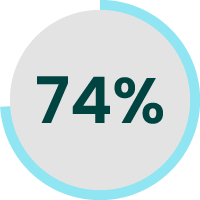
El 74% de las brechas implican el elemento humano.
Te damos un botón de "deshacer"
Fuente: Informe de investigación de brechas de datos de Verizon 2022
Colaboración segura vs. gestión de derechos digitales
La gestión de derechos digitales (DRM) surgió de la necesidad de abordar el crecimiento explosivo de la piratería tras la llegada de internet, especialmente en las industrias del cine y la música. La digitalización conduce a una reducción de los costes de reproducción de materiales protegidos por derechos de autor, junto con un aumento en la distribución a gran escala de activos digitales pirateados.
A medida que el mundo se ha vuelto más descentralizado, la variedad de propiedad intelectual y contenido sensible que necesitan compartirse en línea ha explotado.
Con este aumento de las necesidades de colaboración, casi todos los miembros de una organización tienen la necesidad de colaborar externamente. Con esto, el DRM ha evolucionado hacia la colaboración segura, que implica un enfoque más moderno y fácil de usar. Las herramientas de colaboración seguras ponen los controles de datos y contenido en manos de todos, normalmente sin depender del equipo de TI de la organización.
La Colaboración Segura de Fortra protege tus archivos sensibles, dondequiera que viajen.
En el entorno laboral actual, altamente colaborativo, basado en la nube y centrado en móviles, la Colaboración Segura de Fortra ofrece una seguridad de datos sencilla, flexible y transparente, permitiendo a empresas de todos los tamaños proteger cualquier archivo, en cualquier dispositivo y donde viaje.